A Pause on Smart Glasses - Is Norway taking a Stand for Public Privacy?
 Mynymbox
- News
- October 7, 2026
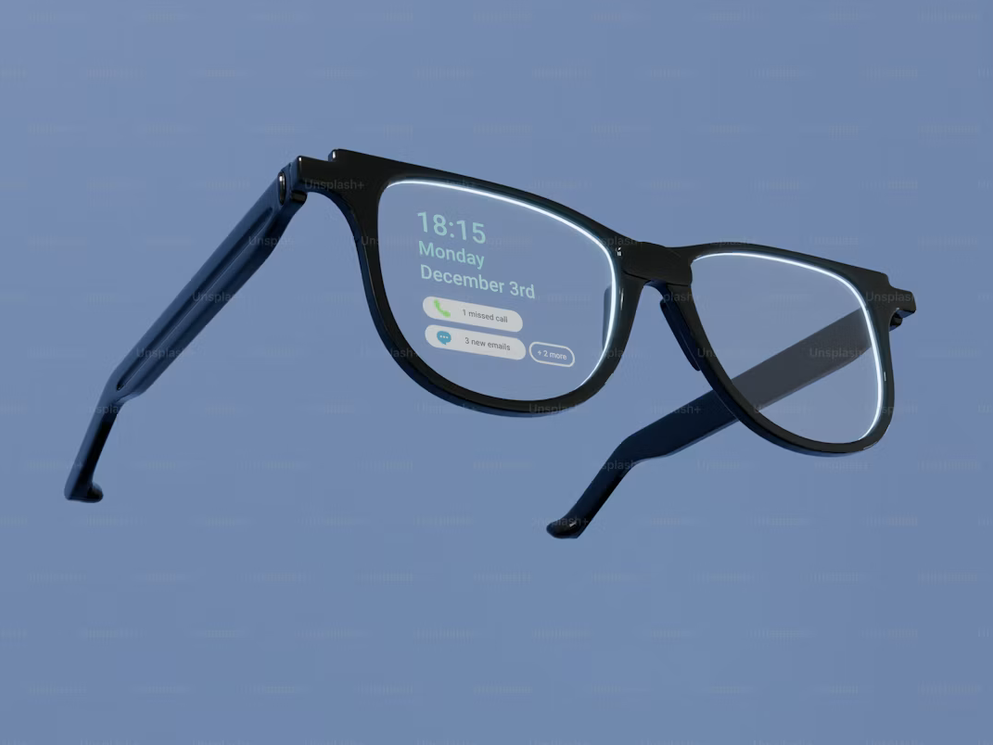
A camera used to announce itself. Someone raised a phone, pointed it, and made the act of recording visible. Smart glasses make that social cue much harder to read. Their wearer can look like they are simply listening, walking, or chatting while a tiny camera and microphone capture the people around them.
That is the privacy problem Norway is trying to address. The government plans to propose a temporary ban on AI glasses in selected public places, potentially including parks, beaches, museums, shopping centers, schools, playgrounds, healthcare facilities, and gyms. It says this is not a total ban: private use and situations where other people are not at risk of being recorded would remain possible. The proposed pause is meant to give lawmakers time to assess the technology and consider longer-term rules.
For privacy enthusiasts, the proposal points toward an important principle: being in public should not mean consenting to be recorded by every passerby. People cannot meaningfully opt out of a camera they cannot see, especially when the recording can happen casually and without an obvious gesture. A temporary restriction in sensitive or crowded settings could give people more confidence that a visit to a playground, changing room, clinic, or beach will not quietly become someone else’s footage.
The risks go beyond a single image. Recordings can capture faces, voices, children, conversations, and details about where people go and who they spend time with. Once footage is shared, copied, or processed by AI tools, it can be difficult to control where it travels or what can be inferred from it. Even when a device’s indicator light is intended to signal recording, that signal is less useful if it can be obscured or disabled. Norway’s proposal reflects a recognition that privacy safeguards should not depend entirely on strangers noticing a tiny light or confronting the person wearing the glasses.
There are trade-offs. Smart glasses can have legitimate uses: hands-free communication, navigation, accessibility support, and practical assistance for people with disabilities. A broad rule could also be confusing to enforce. Which devices count? Does a camera-free pair of connected glasses fall under the same restriction as glasses that record video and use AI? Norway says it is still examining what technology a ban should cover and considering exceptions for socially beneficial uses. Those details will determine whether the policy protects bystanders without unnecessarily limiting useful tools.
The word “temporary” matters, too. A pause can prevent technology from becoming routine before the public has had a chance to debate its consequences. But temporary measures need clear boundaries and a meaningful review; otherwise, an emergency-style restriction could linger without a settled standard. The goal should be durable rules that people can understand: where recording is prohibited, what counts as recording, how exceptions work, and what happens when footage is misused.
Norway’s proposal is not yet a final law, and it does not settle the wider debate over wearable cameras. Still, it shifts the burden in a healthier direction. Instead of expecting everyone else to adapt to invisible recording, it asks whether the devices should be used in places where people are especially exposed or vulnerable. That is a welcome question. Technology may make recording effortless, but it should not make everyone else’s anonymity (and their ability to go about ordinary life without being captured) an afterthought.