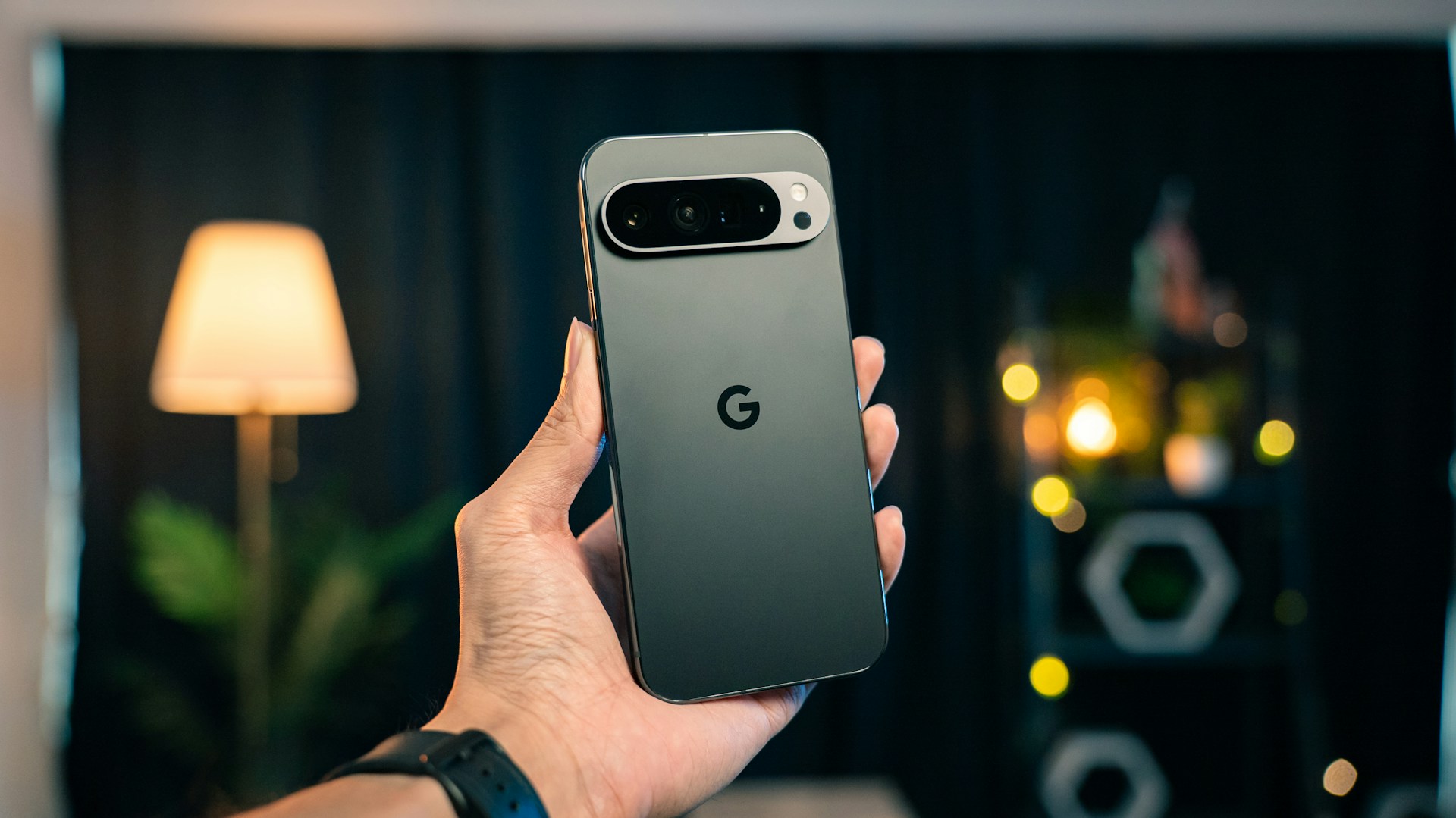
Google Pixel finally got hacked?
 Mynymbox
- News
- October 14, 2026
The Pwn2Own Ireland competition just proved that even "secure" phones aren't impenetrable. Hackers exploited the Google Pixel 10, Samsung Galaxy S26, and OpenAI's Codex by chaining together zero-day vulnerabilities with already-known bugs. Researchers collectively earned $1.26 million for discovering 98 vulnerabilities!
Why Patching isn't Always Enough
The most important detail isn't that individual vulnerabilities exist but that the attackers chained them together. This changes everything. When a hacker combines five different flaws into a single attack, a vendor's single security patch becomes almost useless. Even though Pwn2Own required all devices to run the latest software and firmware patches, the defenses still crumbled.
The Samsung Galaxy S26 fell victim to this approach seven times across three days. The Google Pixel 10, often recommended specifically for its security reputation, was exploited three times on a single day. What makes this troubling is that these aren't obscure, hard-to-find bugs and they're exploitable weaknesses that sophisticated attackers will prioritize once they're discovered.
What About GrapheneOS Users?
If you're running GrapheneOS on a Pixel 10, you've significantly hardened your operating system, but you're not entirely immune to these exploits. Here's the honest assessment: hardware-level vulnerabilities affect GrapheneOS devices just as much as stock Android devices. You're using the same Pixel hardware, so fundamental flaws in the processor or firmware affect you equally.
However, GrapheneOS does provide meaningful protection against some exploit chains. The operating system strips unnecessary Google services, uses stronger sandboxing to isolate applications, and requires explicit user permission for sensitive capabilities. This means an attacker would need to work harder to break through multiple security layers. While a skilled threat actor could still exploit the device using sophisticated zero-day chains, GrapheneOS makes the attack significantly more expensive and time-consuming to develop.
The practical difference is this: a typical hacker targeting random devices won't bother with GrapheneOS because there are easier targets. But a state-sponsored actor or well-funded criminal organization targeting a specific individual will likely succeed regardless of which operating system you're running. GrapheneOS is harm reduction, not invincibility.
What about our Privacy and Anonymity now?
Once a device is compromised through a zero-day chain, privacy becomes nearly impossible. An attacker gains control of your camera, microphone, location services, and all communications before encryption can protect them. This means your supposedly secure apps like Signal or Tor become transparent to the attacker. Encryption only works if the attacker can't access your device directly.
The metadata becomes exposed too. Even if your messages are encrypted, an attacker knows who you're contacting, when, and how often. Using Tor or a VPN becomes pointless if the attacker controls your phone. They can see everything flowing through those tools before they even reach the network.
This reality creates a three-tier understanding of digital threats. Most people face mass surveillance through bulk data collection and app tracking. Zero-days aren't relevant here. Targeted individuals like activists, journalists, and dissidents face the real danger. These exploits are expensive (selling for $100,000 to $500,000 on black markets), so they're reserved for high-value targets. Only after vulnerabilities become public do they threaten the general population.
What You Need to Know Now
The next 90 days are critical. Pwn2Own doesn't publicly disclose technical details until 90 days have passed, giving vendors time to patch. But if these exploits leak early (through theft, whistleblowing, or other means) Pixel 10 and Galaxy S26 owners become vulnerable to mass exploitation. Security updates should be installed within 24 to 48 hours of release.
GrapheneOS is of course still worth using, but combine it with behavioral security. Compartmentalize your digital life, keep devices air-gapped when possible, and monitor network connections when you can.