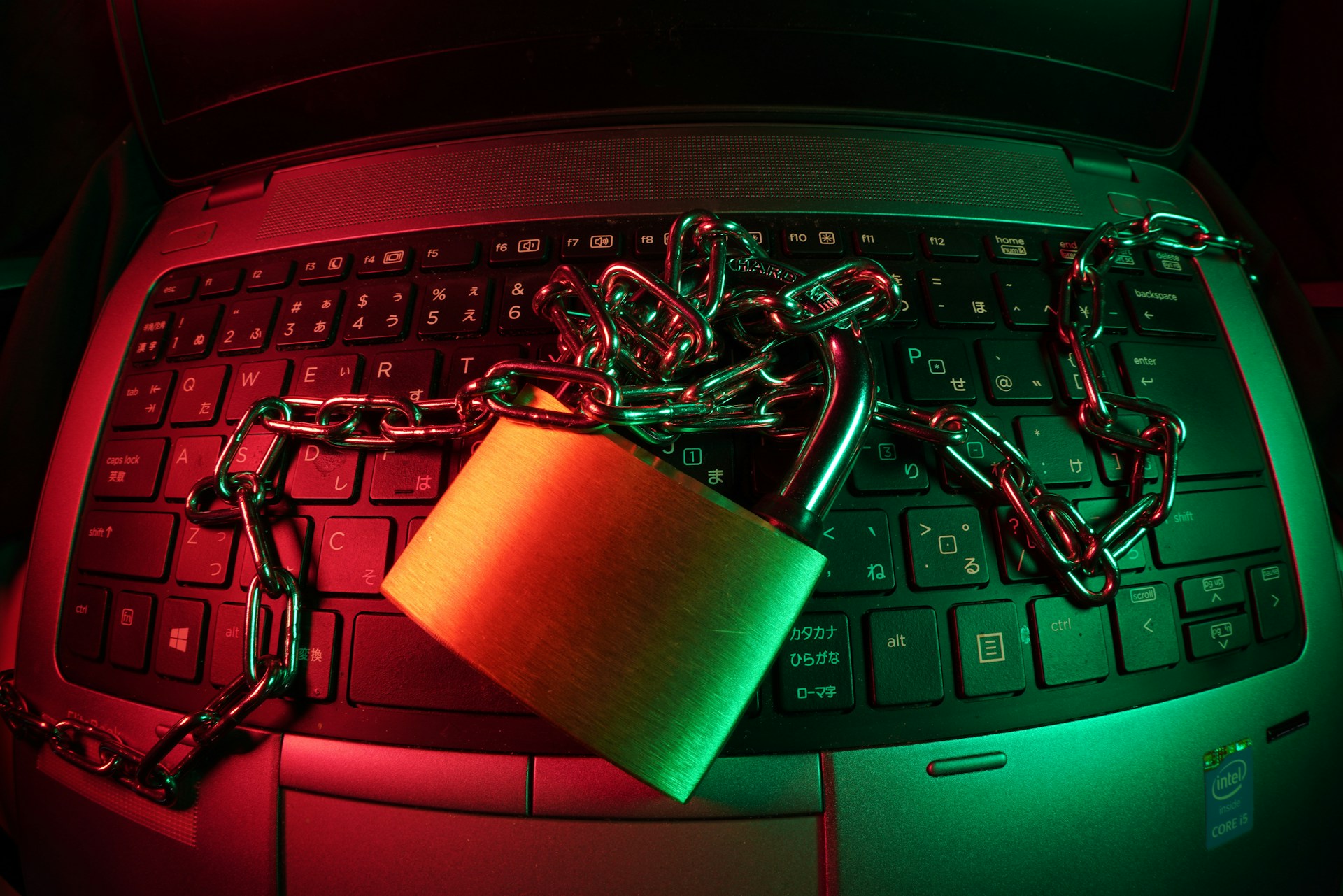
Why Ransomware Payment Bans Won't Protect Your Data
 Mynymbox
- News
- June 25, 2026
The UK government's decision to drop its ransomware payment ban reveals a hard truth: restricting payments won't stop attackers from stealing personal information.
The proposed ban, which would have criminalized ransom payments by public sector and critical infrastructure organizations, quietly disappeared from this year's King's Speech after months of high-profile promotion. The omission matters for privacy because it signals a recognition that payment restrictions alone cannot protect the personal data held by hospitals, councils, and government agencies.
The Ban Doesn't Fix the Real Problem
Ransomware operators don't care about UK payment bans. They simply target private companies, healthcare providers, and smaller firms instead. This is where payment restrictions don't apply and personal data is equally valuable. A ban that applies only to public sector bodies merely shifts the attack, it doesn't prevent breaches.
Worse, it creates a false sense of action. When attackers breach an NHS trust and steal millions of patient records, prohibiting payment doesn't protect those records. The data is already stolen. Criminals publish it anyway, and individuals are left exposed whether the organization paid or not.
The Real Vulnerability: Weak Defenses
Ransomware succeeds because organizations remain fundamentally unprepared. Unpatched systems, weak access controls, and insufficient visibility across digital infrastructure leave doors open for attackers. They typically spend weeks inside networks copying data before deploying ransomware. By that point, the damage is done.
This is where privacy actually breaks down. Every vulnerability (every outdated system, every forgotten database, every weak credential) is a potential pathway to someone's medical history, financial records, or identity information.
What Actually Protects Privacy
Payment bans address the symptom. Real protection requires investment in:
- Patching and modernizing systems so attackers cannot easily penetrate networks
- Proper access controls to limit lateral movement once inside
- Faster breach detection to minimize how much data attackers can steal
- Clear incident response plans focused on determining whether data was actually exfiltrated
These measures prevent breaches in the first place, which is the only way to genuinely protect personal information.
Moving Forward
The government's decision to drop the payment ban should not be interpreted as doing nothing. Instead, it presents an opportunity to focus resources where they matter: making critical organizations genuinely resilient so they remain difficult targets.
The uncomfortable reality is simple: you cannot ban your way to privacy protection. Attackers will find willing targets elsewhere, and the individuals whose data sits behind vulnerable systems remain at risk regardless of what payment policies exist.
Real privacy protection requires sustained investment in cybersecurity resilience, not symbolic payment restrictions.