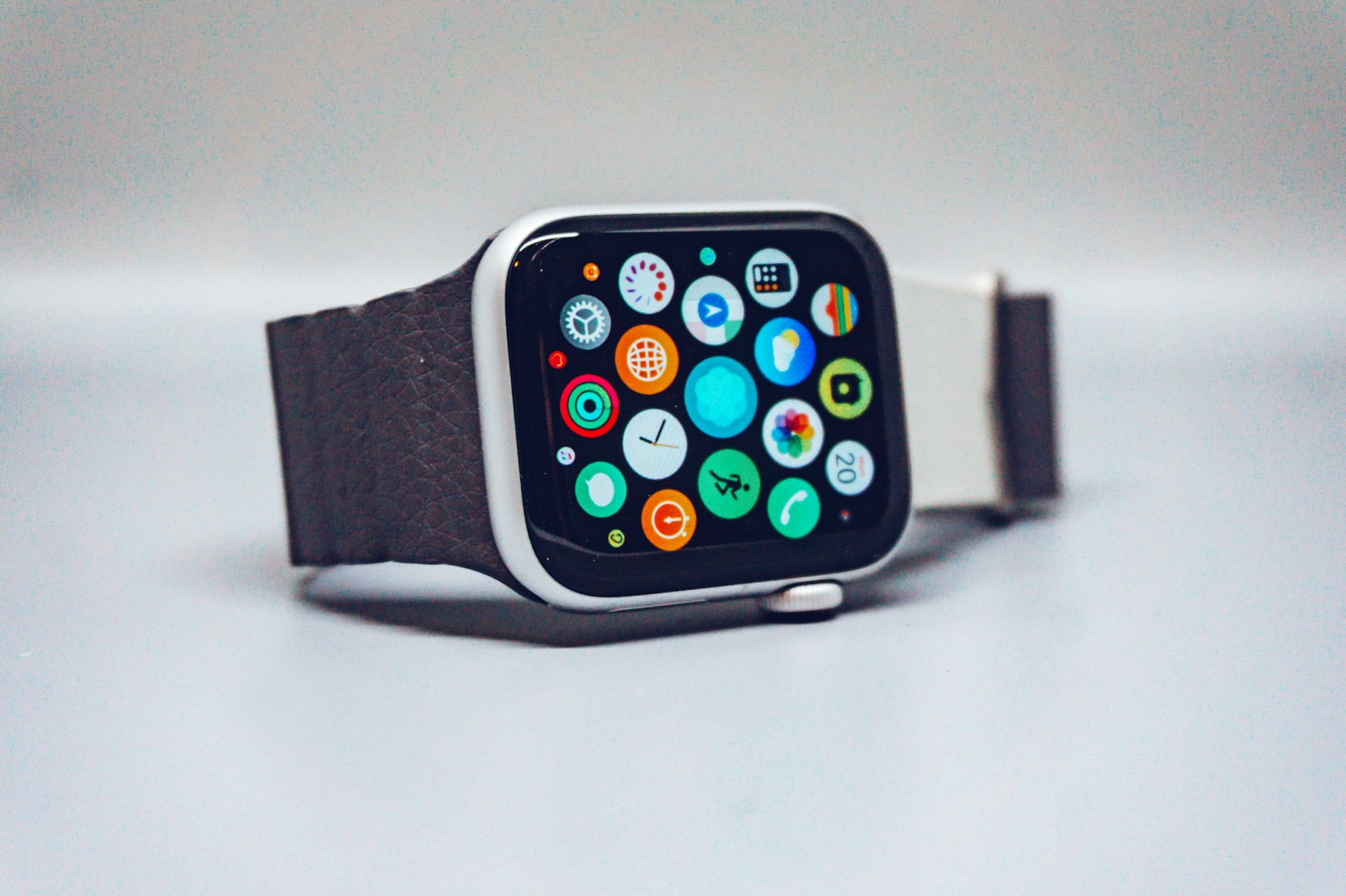
Your Watch is always listening now?!
 Mynymbox
- News
- October 1, 2026
Apple spent a decade building a brand on the idea that what happens on your device stays on your device. At its Surprise and Shine event this week, it spent a few minutes quietly renegotiating that deal.
The headline hardware was the foldable iPhone. The more consequential announcement was that the Apple Watch can now process live audio and transcribe what it hears. Three features carry the change: Audio Intelligence, Live Rewind, and Siri Recap. One of them is unambiguously good. The other two are where things get interesting.
The reasonable Feature
Audio Intelligence is assistive technology, and excellent assistive technology at that. The watch listens for sirens, alarms, doorbells, and crying babies, then alerts the wearer. This is all processed on-device and all working even when the paired iPhone is nowhere nearby! For someone deaf or hard of hearing, a watch that taps your wrist when the smoke alarm goes off isn't a convenience feature. It's a safety system.
Nobody is going to object to this, and nobody should. It's the model case for on-device AI: a genuine problem, solved locally, with no data leaving the hardware.
The actual reason?
Live Rewind is a different proposition. Double-press the Digital Crown and the watch transcribes the last fifteen seconds of audio, saving it to Apple's new standalone Siri app. Apple frames the use case gently: a book recommendation you half-caught, a colleague's good idea, a sentence you missed. How convenient, right?
But invert the framing and the feature reads differently. It means anyone wearing an Apple Watch can capture what you just said, after you've said it, with a gesture indistinguishable from checking the time. Apple notes there's an audible chime and a full-screen microphone animation. Compare that to the alternative: recording video still requires holding a phone up and pointing it at someone. That's a socially legible act. Everyone in the room knows what's happening. A wrist flick is not.
Siri Recap goes further, using ambient listening to generate high-level notes (a title, a summary, key points) from conversations around you. Not verbatim transcripts, Apple stresses. Meeting takeaways. Parent-teacher conferences.
The options you have
Credit where it's due, Apple's engineering here is serious. Siri Recap isn't on by default, unlike some always-on AI wearables. You can scope it to specific hours or locations and kill it from Control Center. No audio recordings are created or stored, the raw audio is inaccessible even to Apple, speakers aren't identified or attributed, and the resulting transcripts and recaps are end-to-end encrypted.
That's a genuinely thoughtful design. It's also, notably, a set of protections aimed almost entirely at the wearer. The person being transcribed gets none of them, because they aren't a party to the arrangement. They haven't consented. In many cases they won't know it happened.
This is the consent gap that already haunts the category. Plaud tells its customers to obtain legally required permission before recording. Amazon's Bee pushes compliance with minors' privacy law onto users. Apple's architecture is better than both but architecture doesn't resolve a question of who agreed to what.
And there's an unsettled legal wrinkle: because Apple stores text rather than audio, nobody quite knows how courts will treat these artefacts. Transcripts might be admissible as evidence, but without audio they're harder to authenticate, and the rules will vary by jurisdiction.
What we need to be aware of!
The real story isn't any single feature. It's that the most privacy-vocal company in consumer technology has decided ambient listening is acceptable and in doing so, has made it respectable for everyone else. Behavioural research has long shown that recording devices change how people act. Knowing you might be recorded dampens candour and self-expression. Normalisation is the mechanism that matters here, not any individual setting.
Apple may well have found the right balance. But it's worth noticing that the question has shifted from should our devices listen to under what conditions. That's not a technical debate anymore. It's a cultural one, and it was settled without most of us being asked!